The bathroom mirror is still slightly fogged from the hot shower. You unscrew the glass dropper of your favourite vitamin C serum, savouring that faint, metallic citrus scent that promises a brighter complexion. Three golden drops fall onto your fingertips, which you press hurriedly into your cheeks and forehead. It is a morning rush we all know intimately.
It is a familiar rhythm, one executed with pure muscle memory. You reach for a blurring primer or a reliable long-wear foundation, smoothing it over your skin to secure a flawless base for the long day ahead. You leave the house believing your skin is protected against the city grime, ticking off the skincare boxes like an excellent student.
But by two o’clock, sitting under the harsh fluorescent lights of the office, a tight, creeping warmth spreads across your jawline. The cheeks feel distinctly tender, almost as if you have spent the afternoon standing in a freezing gale. Most of us dismiss this sensation as the harsh effects of overzealous air conditioning or a sudden, bitter drop in the British weather. The truth is far more structural, and far more alarming.
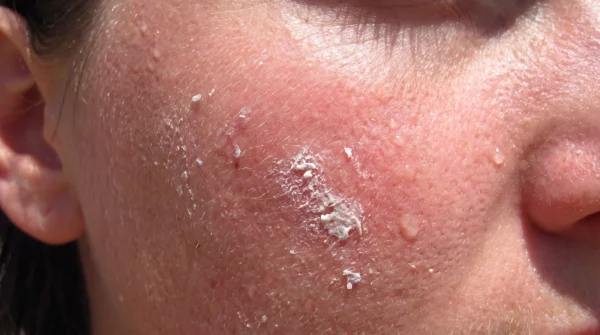
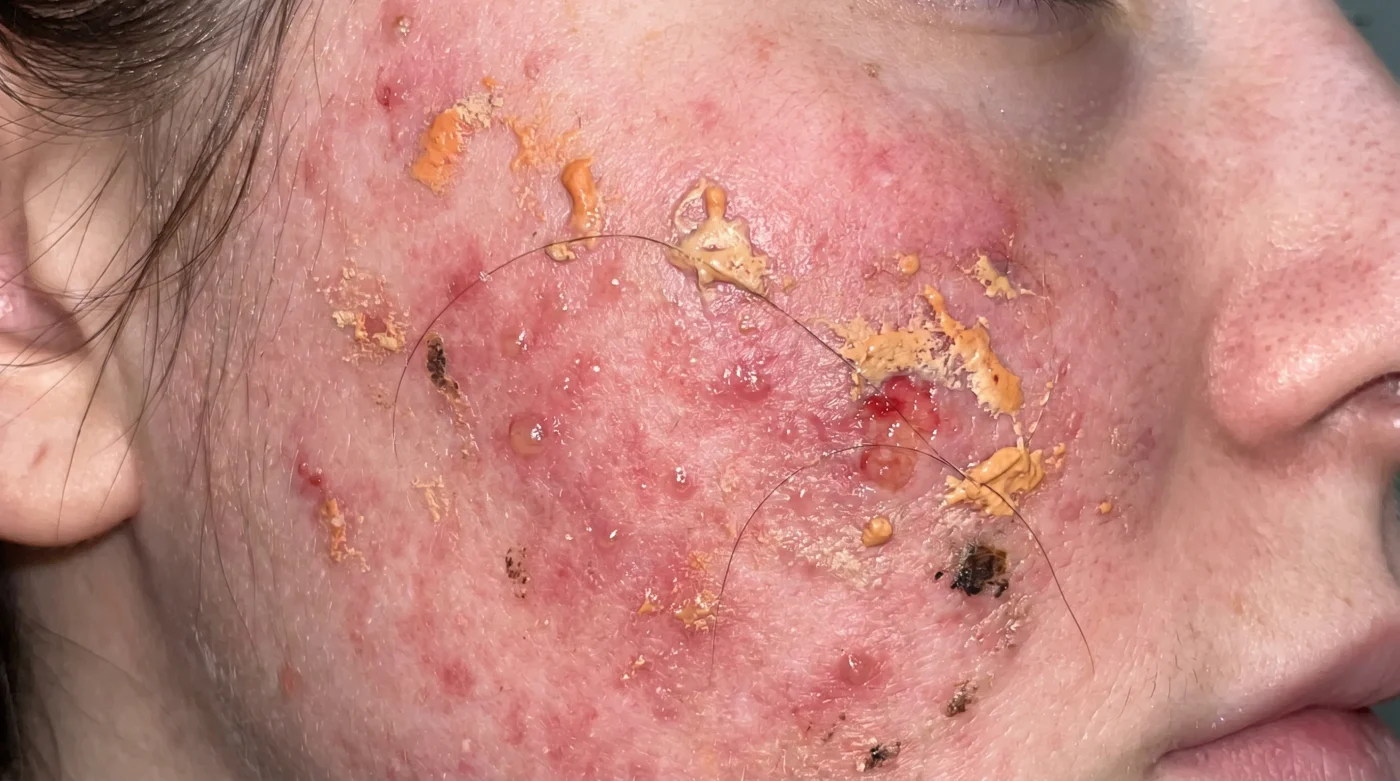
That tightness is not mere dehydration. It is the physical sensation of microscopic chemical burns quietly eroding your dermal lipid layer. The combination of highly active acids and specific, heavy makeup bases is turning the surface of your face into a volatile, sealed environment. You are entirely unaware that a reaction is taking place right beneath your foundation.
The Greenhouse Trap
We are taught a very simple, seemingly logical rule for morning skincare: apply everything from the thinnest watery consistency to the thickest cream. It sounds perfectly sensible. You pat in the watery antioxidant, perhaps slap on a moisturiser, and finish with a makeup base to hold it all firmly together.
This standard morning sequence assumes all ingredients play nicely together in a harmonious stack. But pure L-ascorbic acid—the most potent, effective form of vitamin C—is notoriously unstable and highly acidic by nature. When you immediately spread a silicone-based foundation or primer over it, you are constructing a suffocating plastic roof over an active, unresolved chemical state.
Think of it like pouring strong malt vinegar onto a delicate silk scarf, then tightly wrapping the fabric in layers of cling film. Silicones, such as dimethicone or cyclopentasiloxane, are brilliant at creating a smooth, waterproof canvas. They fill in pores, blur fine lines, and brilliantly prevent transepidermal water loss. However, their greatest strength is also their danger: they trap whatever lies beneath them without prejudice.
Trapped under this impermeable, heavy layer, the acid cannot neutralise naturally with the air. Instead of absorbing gracefully into the tissues, the trapped vitamin C begins to aggressively eat away at your delicate skin barrier, causing invisible but painful friction. Your innocent attempt at achieving a healthy glow has inadvertently caused a slow-burn dermal disaster.
Dr Clara Hughes, a 48-year-old cosmetic formulator running an independent lab in Somerset, spent months investigating why her private clients were experiencing sudden, fiery sensitivity. These women were meticulous. They were using premium, rigorously tested formulations. Clara began tracking their morning habits, asking for video diaries of their mirror routines. She discovered a fascinating pattern. Those using heavy, silicone-based blurring primers over fresh L-ascorbic acid were inadvertently trapping the pH of their skin at a dangerously low level. The acid, denied access to air, was forced back into the stratum corneum, completely stripping the natural lipids within mere hours.
Categorise Your Cosmetic Chemistry
Fixing this structural error does not mean throwing away your sixty-pound serum or your favourite high-street foundation. It requires a permanent perspective shift. The mundane, often ignored detail of a primer’s ingredient list is actually your greatest advantage in preventing damage to your face. Once you understand the base of your makeup, you control the reaction.
You must view your morning routine as an exercise in careful chemical layering, rather than a race against the clock. By adjusting how these liquids interact with each other, you completely remove the risk of irritation. Let us separate your options based on the chemical base of your chosen cosmetics.
For the Long-Wear Loyalist
If you rely on foundations promising flawless matte perfection until midnight, you are dealing with high levels of volatile silicones. These require total separation from actives to prevent disaster. You must insert a buffer layer. A simple, water-based moisturiser containing ceramides acts as a protective blanket, absorbing the acidity of the serum before the silicone cap goes on.
For the Dewy Devotee
Water-based foundations and tinted moisturisers are far more forgiving. They do not form an airtight seal over the epidermis. However, they can still pill and roll if slapped onto wet skin. Your priority here is patience and surface tension. Wait until the skin feels entirely dry to the touch, lacking any tacky grip, before blending your tint.
For the Minimalist
If you only use a synthetic, silicone-heavy sunscreen as your base, the exact same rules apply. The chemical filters combined with dimethicone create a formidable barrier that traps the acid just as effectively as thick foundation. Switch to a mineral SPF with a lighter squalane base. This allows the skin to breathe naturally, letting the vitamin C do its protective work without turning hostile.
The Breathable Sequence
Applying these products correctly is a mindful, deliberate act that requires you to slow down. It transforms a rushed, chaotic bathroom habit into a moment of genuine, quiet self-care. It is about feeling the product, not just painting it on in a panic.
The trick is entirely in your timing and tactile feedback. Your fingers are the most accurate scientific instruments you possess for this task. If the skin feels wet, cold, or sticky to the touch, the acid has simply not settled. Applying makeup at this stage guarantees the trap will snap shut.
- The Wait Time: Exactly three to four minutes. Brush your teeth, make the bed, or select your clothes for the day while the serum absorbs into the dermal layers.
- The Touch Test: The back of your hand should glide smoothly across your cheek without dragging or catching on tacky residue.
- The Buffer Layer: Always apply a thin veil of plain, hydrating lotion over the serum. This acts as a neutralising cushion.
- The Application: Pat the foundation gently into the skin with a damp sponge rather than aggressively rubbing it across the face with a dry, stiff brush, which forces the silicone deeper into the pores.
Beyond the Morning Rush
There is a profound, grounding quietness that comes with understanding exactly how your daily habits work on a microscopic level. When you stop fighting the chemistry of your own skin and start respecting its natural boundaries, the constant, frustrating battle with sudden redness and dry patches simply fades away.
You no longer need to buy endless, expensive soothing creams to fix a problem you were unknowingly creating every single morning. This small, deliberate shift in your morning rhythm guarantees a calmer, stronger complexion by the time you step off the train and onto the pavement. It is the quiet confidence of knowing your skin is entirely safe, balanced, and genuinely thriving beneath the surface.
When you respect the pH of the active, and give it the oxygen it needs to settle, the skin rewards you with absolute resilience. – Dr Clara Hughes
| Habit | Chemical Reality | Added Value For You |
|---|---|---|
| Immediate Layering | Traps low pH acids under an airtight silicone seal. | Eliminates midday stinging and sudden redness. |
| Rubbing Foundation | Causes friction and forces silicones into the pores. | Provides a smoother, glass-like finish that lasts all day. |
| Using a Buffer Layer | Ceramides neutralise the acid before makeup application. | Saves money on expensive barrier-repair creams. |
Frequently Asked Questions
Can I still use my silicone primer if I wait longer?
Yes. If you allow the serum to dry entirely for five minutes and apply a hydrating buffer cream first, the silicone will not trap the raw acid.How do I know if my foundation is silicone-based?
Check the first few ingredients. If words ending in ‘-cone’ or ‘-siloxane’ appear near the top, it is a silicone formula.Will this routine change stop my makeup from lasting?
Quite the opposite. By preventing the acid from irritating the skin, you stop the excess oil production that usually melts foundation away.Is vitamin C the only ingredient that does this?
No. Strong exfoliating acids, like glycolic or salicylic acid, will also cause barrier damage if immediately sealed under heavy, waterproof makeup.What is the best way to soothe skin that already feels burnt?
Strip your routine back to absolute basics. Wash with a cool flannel, skip all actives for forty-eight hours, and apply a thick layer of plain petroleum jelly or a ceramide balm before bed.